If you are wondering what everyday life in Pleasanton really feels like, the short answer is this: it is built around convenience, outdoor time, and a strong sense of routine. You want more than a map pin or a list of attractions when you are choosing where to live. You want to know what a normal Tuesday feels like, what weekends look like, and how easy it is to get where you need to go. Let’s dive in.
Pleasanton Has a Suburban Rhythm
Pleasanton has a distinctly suburban East Bay feel, with an estimated population of 74,556 as of July 1, 2025. Daily life tends to revolve around work commutes, school and activity drop-offs, errands, parks, and time spent downtown rather than one central urban core.
That rhythm appeals to many people because it feels practical. You can build a routine around nearby parks, shopping, dining, and regional transportation options while still enjoying a more residential setting. QuickFacts also reports a mean travel time to work of 34.3 minutes, which helps set expectations for the pace of weekday life.
Commuting Shapes the Weekday
For many residents, the day starts with a commute. Pleasanton is still largely car-oriented, but it also offers several public transit options that make regional travel more manageable.
The City of Pleasanton says residents are served by Wheels local bus service, BART, ACE Rail, and senior door-to-door transit service. This gives you multiple ways to move around the Tri-Valley and the broader Bay Area depending on where you work and how you prefer to travel.
BART Adds Flexibility
BART notes that Pleasanton is served by two stations along Interstate 580: West Dublin/Pleasanton and Dublin/Pleasanton. The Dublin/Pleasanton station also connects with local and regional bus service, which adds another layer of convenience for routine commuting.
If you are trying to balance access and flexibility, that matters. You may still drive often, but having BART nearby can make certain work trips, appointments, or event days easier to plan.
ACE and Bikes Expand Options
ACE Rail provides weekday commuter service from Stockton to San Jose through Pleasanton in the morning, with reverse-direction service in the evening. The Pleasanton station sits across from the Alameda County Fairgrounds, giving some commuters another practical regional option.
The city also encourages bicycling as an alternative commute choice. Taken together, these options suggest that while driving remains common, Pleasanton gives you more than one way to structure your weekday routine.
Parks Are Part of Daily Life
One of the biggest lifestyle advantages in Pleasanton is how easy it is to spend time outside. The city offers 46 community and neighborhood parks, more than 60 miles of trails, and over 700 acres of undeveloped open space.
That is not just nice on paper. The city also notes that many neighborhood parks are within half a mile of residential areas, which means getting outside can feel like a normal part of the day rather than a special outing.
Easy Access to Outdoor Space
Pleasanton highlights a wide range of local park spaces, including Bernal Community Park, Ken Mercer Sports Park, Val Vista Community Park, Cubby’s Dog Park, Alviso Adobe Community Park, and the community garden at Val Vista. Augustin Bernal Park alone includes 237 acres of parkland, trails, and open space.
For you, that can mean a morning walk, an after-work park stop, or a weekend trail outing without needing to leave town. In a place like Pleasanton, outdoor recreation often fits naturally into the week.
Weekends Often Happen Outside
Pleasanton Ridge Regional Park adds another nearby option for open-space recreation. According to the East Bay Regional Park District, the Tyler Ranch staging area provides access to hiking, biking, and equestrian trails at the southern end of Pleasanton Ridge Regional Park.
That helps explain why trails, parks, and open-air recreation are such a visible part of weekend life here. If you enjoy having room to move, Pleasanton makes that easier.
Downtown Brings Energy to Everyday Life
Historic Downtown Pleasanton is a major part of the city’s identity. The city describes it as a walkable district with shopping, dining, and local businesses, and the downtown association calls it the vibrant heart of the community.
For everyday living, that means more than a charming backdrop. It gives you a place to grab dinner, browse independent shops, meet friends, or simply enjoy a more walkable setting within a suburban city.
Dining and Shopping Stay Close By
The city says Pleasanton’s dining scene includes casual eateries, upscale dining, and international cuisine. Shopping options also span downtown boutiques and specialty shops, along with a regional mall that offers more than 165 stores and restaurants.
That combination supports the practical side of daily life. You can handle errands, enjoy a meal out, or spend part of a weekend downtown without needing a long drive.
Events Keep the Calendar Active
Pleasanton’s community calendar stays busy throughout the year. The Pleasanton Farmers’ Market runs every Saturday year-round, and the downtown association says it continues regardless of weather.
The city and downtown association also promote recurring events such as Concert in the Park at Lions Wayside Park and the Hometown Holiday Celebration, which includes a parade and tree lighting. These regular traditions help give the city a steady community rhythm instead of just a few isolated annual events.
The Fairgrounds Add Another Layer
The Alameda County Fairgrounds is another major part of life in Pleasanton. The fair association says the property spans 267 acres, hosts the annual Alameda County Fair, and welcomes more than 300 commercial and private events each year.
That means there is often something happening nearby, whether it is a large seasonal event or another gathering at the fairgrounds. It adds variety to local life and helps make Pleasanton feel active beyond the usual weekday routine.
Homes Reflect a Settled Community
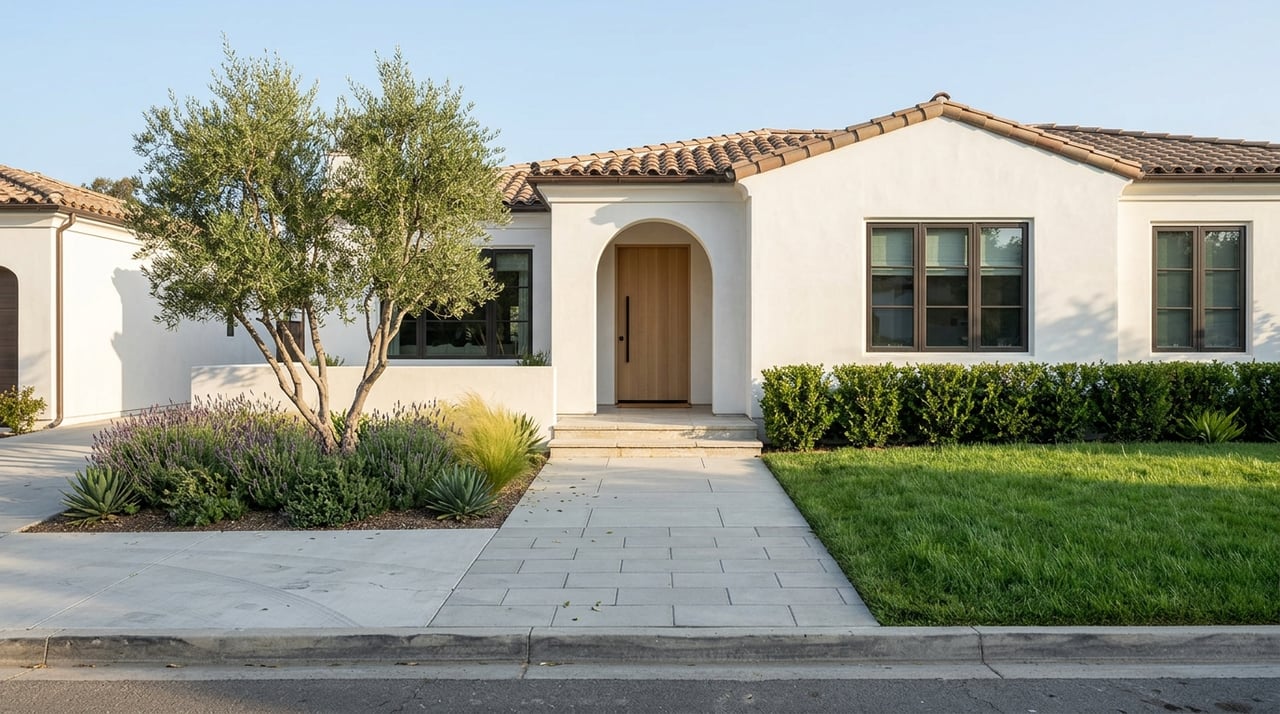
Pleasanton’s housing mix still leans heavily toward single-family detached homes. City housing data shows that in 2021, 60.0 percent of the housing stock was single-family detached, followed by 9.6 percent single-family attached, 5.6 percent two- to four-unit multifamily, 22.8 percent five-plus-unit multifamily, and 1.3 percent mobile homes.
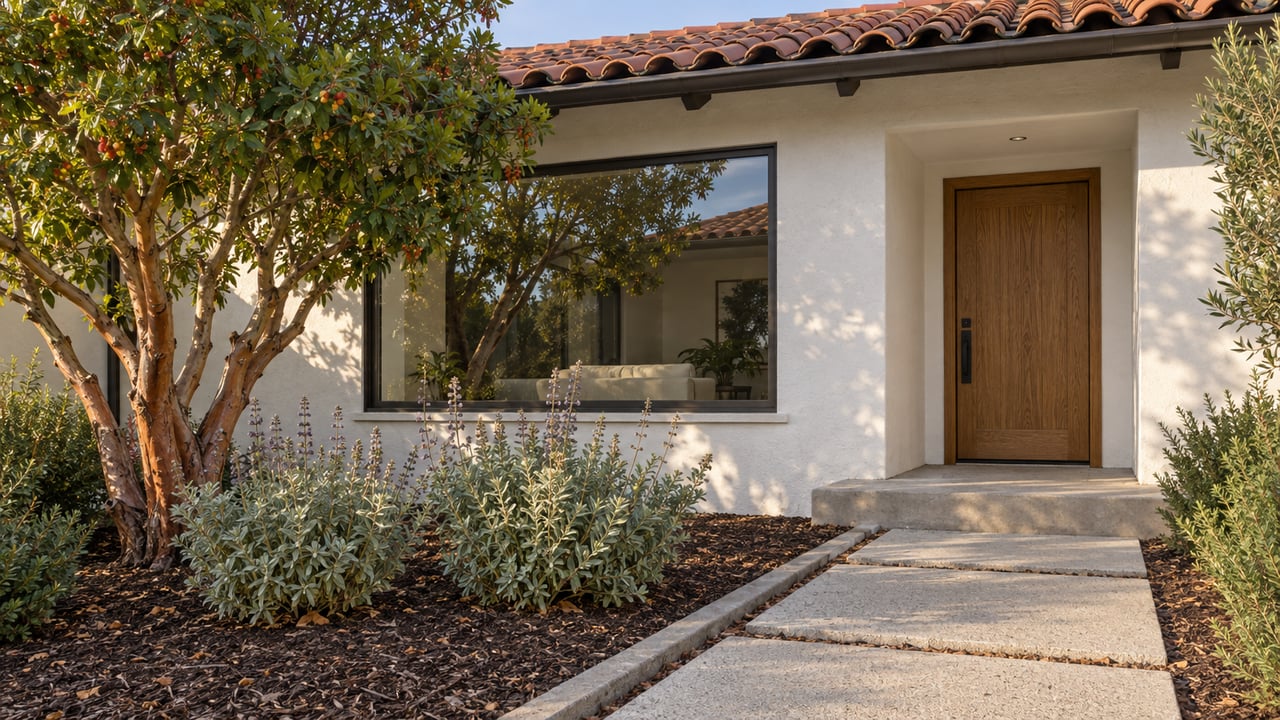
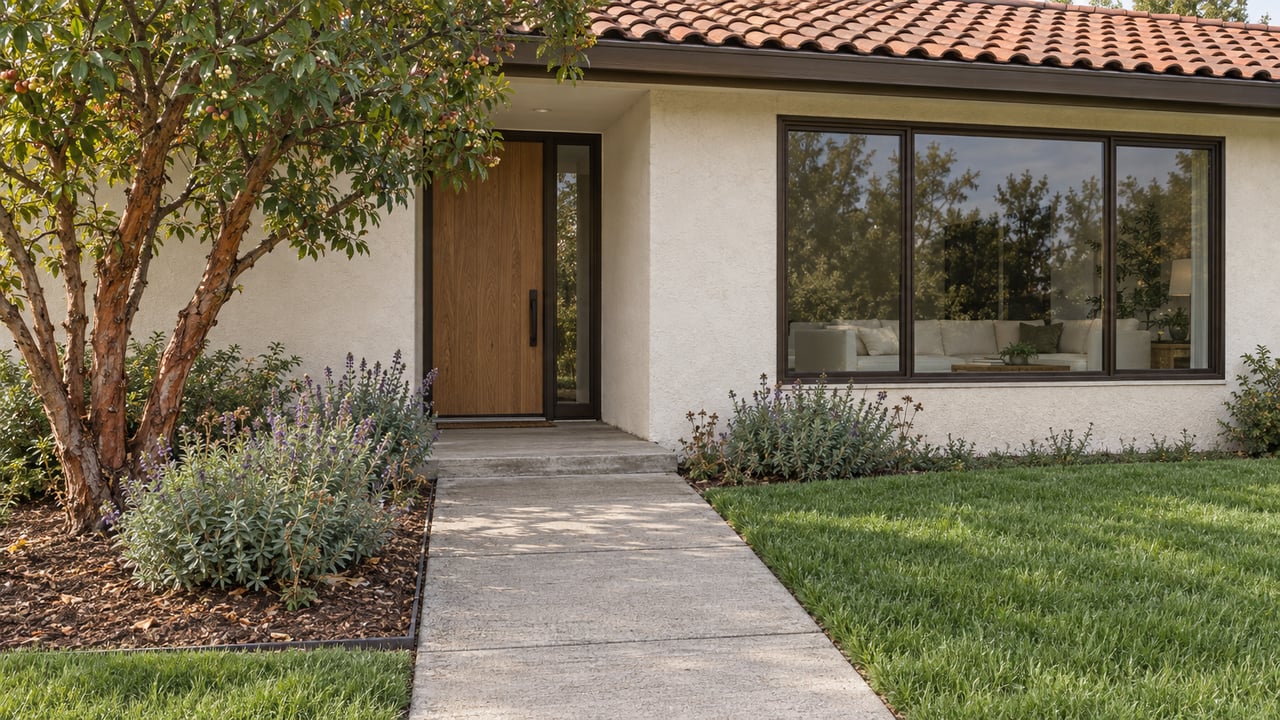
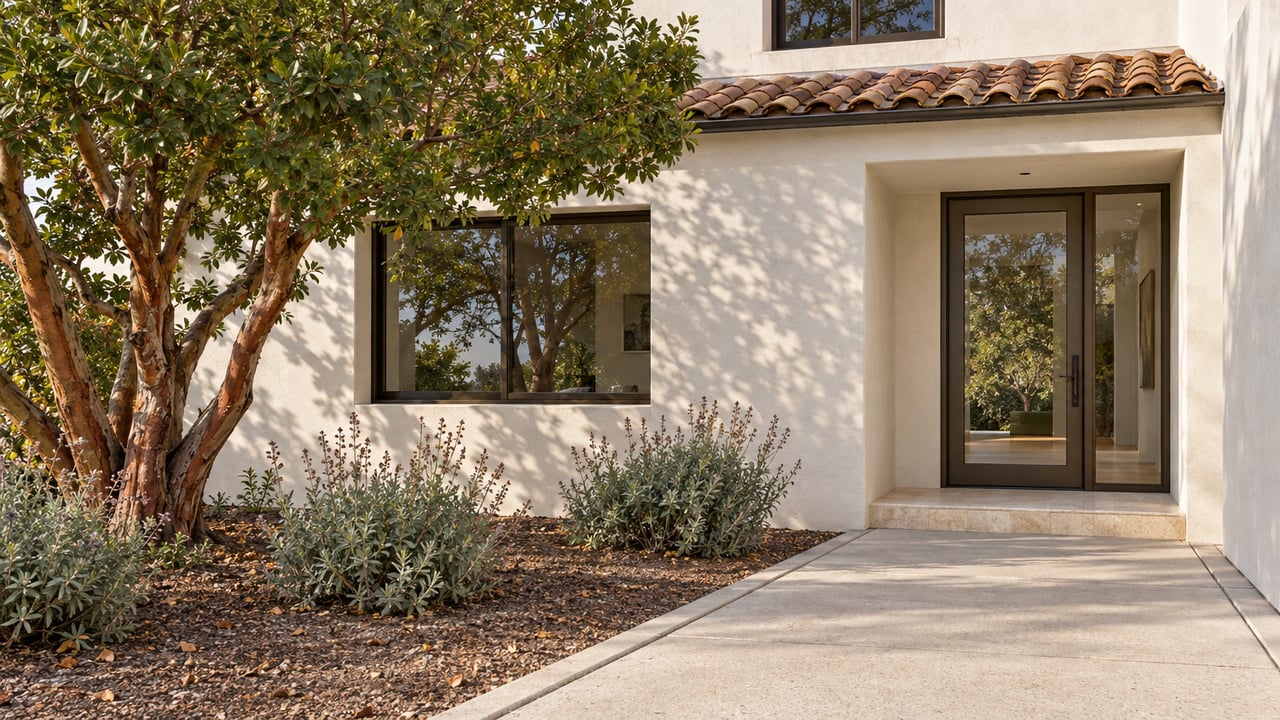
In practical terms, that creates a lifestyle shaped by residential neighborhoods, with townhomes, condos, and apartments in selected areas. If you are picturing a suburban environment with a range of home types, that is a fair description.
Stability Shows Up in the Data
QuickFacts reports a 67.0 percent owner-occupied housing rate, and 89.4 percent of residents were living in the same house one year ago. Those numbers support the idea that Pleasanton feels established and settled.
The city also has an active ADU program, which adds another layer of flexibility for some property owners. For buyers and sellers alike, that mix of stability and housing variety is part of what defines Pleasanton’s day-to-day feel.
What a Typical Weekend Looks Like
If you spend a weekend in Pleasanton, you will likely notice a familiar pattern. Many days start with the farmers market, continue with a park or trail outing, and end with time downtown for shopping or a meal.
Depending on the season, there may also be a fairgrounds event or a community program downtown. That blend of outdoor access, local events, and everyday convenience is a big part of what makes Pleasanton appealing to so many buyers.
Why Pleasanton Appeals to So Many Buyers
Pleasanton works well for people who want a suburban setting without feeling disconnected. You get regional commute access, a strong park and trail network, a walkable downtown, regular community events, and housing options that reflect an established residential city.
If you are considering a move, understanding the day-to-day experience matters just as much as knowing home prices or square footage. Pleasanton stands out because the lifestyle is not built around one big attraction. It is built around how easy it is to live here, week after week.
If you are thinking about buying or selling in Pleasanton, The Duarte Team can help you understand how different areas of the city align with your routine, commute, and goals.
FAQs
What is everyday life like in Pleasanton, CA?
- Everyday life in Pleasanton is generally suburban, commuter-friendly, and community-oriented, with routines often centered on work, errands, parks, trails, downtown dining, and local events.
Is Pleasanton, CA a good place for commuters?
- Pleasanton offers access to BART, ACE Rail, Wheels bus service, and major freeways, and the Census Bureau reports a mean travel time to work of 34.3 minutes.
What do people do for fun in Pleasanton, CA?
- Many residents spend time at local parks and trails, visit Historic Downtown Pleasanton, shop or dine locally, attend the Saturday farmers market, and check out events at the Alameda County Fairgrounds.
Does Pleasanton, CA have good park access?
- The city says Pleasanton has 46 community and neighborhood parks, more than 60 miles of trails, and over 700 acres of undeveloped open space, with many parks located within half a mile of residential neighborhoods.
What kind of homes are common in Pleasanton, CA?
- Pleasanton’s housing stock is led by single-family detached homes, with additional townhomes, condos, apartments, and a small share of mobile homes in the overall mix.