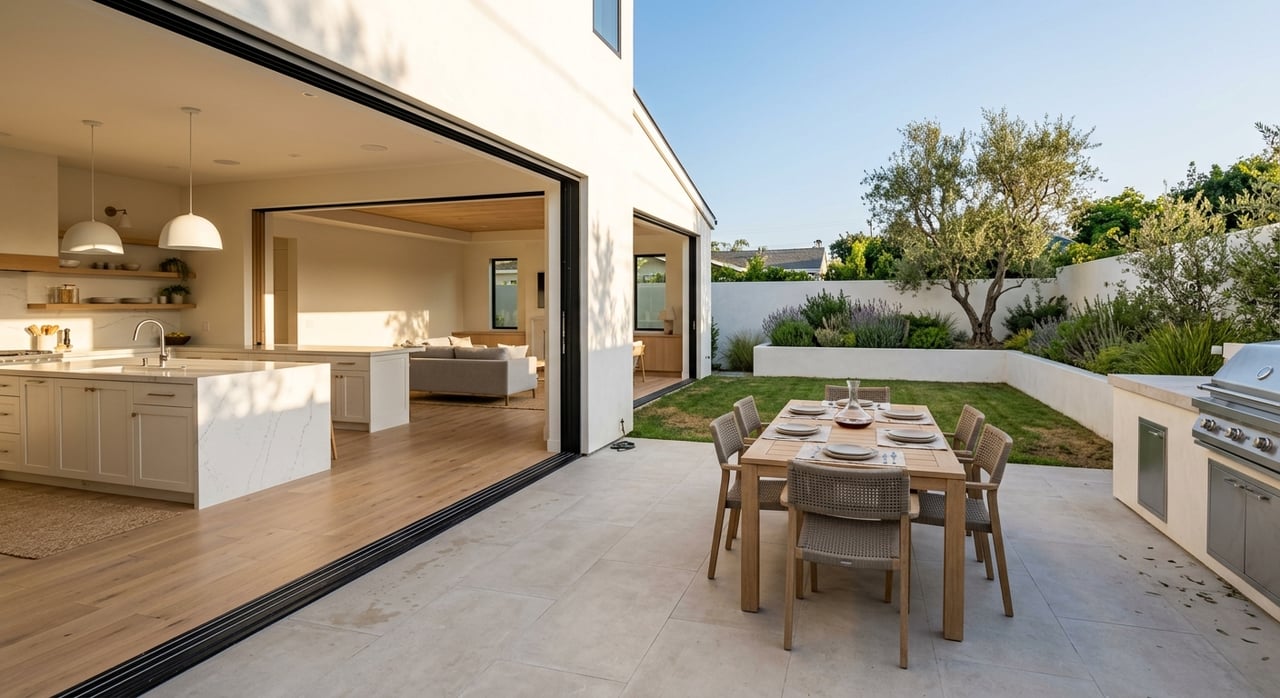
If your ideal weekend includes a morning trail, an afternoon at the park, and an easy way to enjoy Livermore’s open-air lifestyle, this city delivers. For many buyers, outdoor living is not just a bonus. It is a big part of how a home feels day to day. In Livermore, that lifestyle shows up in community parks, connected trails, open space, and wine-country-adjacent experiences that shape how different areas of town live. Let’s dive in.
Why outdoor living stands out in Livermore
Livermore has a strong outdoor foundation built around parks, trails, and preserved open space. LARPD maintains neighborhood parks, community parks, special-use parks, and 1,360 acres of open-space parks, while the City of Livermore supports a walking, hiking, and biking network designed for safe and convenient travel for people of all ages and abilities.
That combination gives you more than just places to visit on weekends. It creates a park-rich, trail-connected, open-space-oriented lifestyle that many buyers actively look for when choosing where to live in the Tri-Valley.
Livermore parks for everyday use
One of the best things about Livermore is how practical many of its outdoor amenities feel. You are not limited to one big destination park. Instead, you have a mix of community spaces that support play, exercise, dog walking, sports, and relaxed time outside.
May Nissen Park amenities
May Nissen Park is a 12.2-acre community park next to the May Nissen Swim Center and the Rincon branch library. It includes a large grass area, a tot lot, basketball courts, tennis and pickleball courts, a dog park, restrooms, and reservable picnic sites.
For many households, that kind of setup makes daily life easier. You can picture a quick playground stop, an afternoon game, or a weekend picnic without needing to plan a full outing.
Robertson Park activities
Robertson Park offers a different scale. At 110.3 acres, it includes a tot lot, picnic tables, a dog park, sports fields, a pole barn, a disc golf course, and an equestrian center, along with two lighted multi-use synthetic turf fields and one grass field available for rent.
This is the kind of place that supports a wide range of recreation in one setting. If you like having room to spread out or enjoy larger community facilities, Robertson Park is a strong example of Livermore’s outdoor variety.
Cayetano Park and Sunken Gardens
Cayetano Park is a 10.5-acre park with a playground, basketball court, walking trails, a large grass area, a synthetic turf field, reservable picnic space, and separate dog park areas for small and large dogs. It blends casual recreation with useful daily amenities.
Sunken Gardens Skate Park is an 8.9-acre special-use facility with picnic tables, a bicycle stunt course, a skate park, and hiking and bicycle trails. If your household wants more active outdoor options, this adds another layer to Livermore’s recreation mix.
Dog parks across the city
LARPD says Livermore has seven dog parks across the city, including Vista Meadows, Robertson Park, May Nissen Park, Max Baer Park, Marlin A. Pound Park, Cayetano Park, and Bruno Canziani Park. That broad distribution matters if you want pet-friendly outdoor access close to home.
Rather than relying on one destination, many residents can work dog outings into everyday routines. For buyers with pets, that is often a meaningful quality-of-life detail.
Trails that connect the city
Parks are only part of the picture. Livermore’s trail system also helps connect neighborhoods, open space, and major outdoor destinations.
LARPD says two main trails traverse town: the South Livermore Valley Trail and the Arroyo Mocho Trail. Its trails are open year-round from 6:00 a.m. to 10:00 p.m., while open-space portions are open from 7:00 a.m. to sunset.
The City is also extending the South Livermore Valley Trail to close a gap south of Wood Hollow Drive. The existing route begins at Isabel Avenue and Alden Lane, continues east along the south side of an existing residential neighborhood, then resumes on Wetmore Road and continues to Arroyo Road. The project is intended to connect the South Livermore Valley Wine Trail, Isabel Trail, and Arroyo Mocho Trail into a southern loop.
Why trail access matters
Connected trails can shape how you use a neighborhood. They can make it easier to fit in a walk, bike ride, or jog without turning every outing into a car trip.
For buyers, that often translates into a more active daily routine and a stronger sense of connection to the local landscape. In a city like Livermore, trail access is part of the lifestyle value many people notice right away.
Open space near Livermore
If you want a bigger outdoor experience, Livermore also gives you access to substantial open-space destinations nearby. These spaces support a quieter, more natural rhythm that feels different from a typical neighborhood park.
Sycamore Grove Park
Sycamore Grove Park is an 847-acre natural open-space area used for passive recreation and nature-oriented outings. LARPD describes it as a place with wildlife habitat and spring wildflowers, where you can hike, bike, walk, or jog. There is also a daily parking fee.
For many residents, Sycamore Grove is part of what makes Livermore feel distinct. It adds a sense of breathing room and gives you a reliable place to head when you want scenery, exercise, or a more nature-focused outing.
Holdener Park and Brushy Peak
Holdener Park features a multi-use trail for hiking, biking, and horseback riding, along with open grasslands and blue oaks. It is another good example of how Livermore blends outdoor recreation with a more natural setting.
Brushy Peak Regional Preserve, operated in cooperation with EBRPD, sits northeast of Livermore. LARPD notes that guided tours help visitors explore the preserve’s landscape and history, which adds an educational layer to the outdoor experience.
Del Valle Regional Park
South of Livermore, Del Valle Regional Park centers on a five-mile-long lake surrounded by 4,395 acres of land for hiking, horseback riding, and nature study. It is also the eastern gateway to the 28-mile Ohlone Wilderness Trail.
That scale matters if you are looking for more than neighborhood recreation. Del Valle supports day trips, longer hikes, and a stronger sense of escape while still being part of the broader Livermore lifestyle picture.
Wine-country-adjacent outdoor lifestyle
Livermore’s outdoor appeal is also tied to its southern edge. The South Livermore Valley Specific Plan covers about 1,891 acres along the city’s southern boundary and is designed to guide future development while conserving agricultural and natural resources.
That planning context helps explain why south Livermore often feels connected to vineyards, open views, and trail access. It is not just a visual difference. It shapes the experience of being outside in that part of town.
Livermore Valley Wine Country is also a major local lifestyle draw. Tourism pages are not fully consistent on exact winery counts, so the most accurate way to describe the area is that it has dozens of tasting rooms. Many winery visits are outdoor-friendly, with examples in the area including tasting, dining, garden settings, and live music.
How outdoor living varies by area
If you are thinking about where to live in Livermore, outdoor lifestyle can look a little different depending on the area you choose. The strongest contrast supported by local planning sources is between central or downtown-oriented living and south Livermore’s more open-space-focused feel.
Central Livermore feel
Homes near downtown and East Avenue tend to align with a more walkable, park-and-community-center setting. The downtown plan includes 3.5 acres of publicly accessible open space, Stockmen’s Park, and a tree-lined path and green-space connection through housing.
That can appeal to buyers who want easier access to community amenities, casual strolls, and a more connected in-town feel. It is a practical choice if you value nearby parks and civic spaces as part of everyday life.
South Livermore feel
South Livermore is often a better fit if you want quicker access to trails, vineyard corridors, and open space. The setting feels more tied to the landscape, with a stronger wine-country-adjacent character.
For some buyers, that means a better match for weekend trail outings, scenic drives, and a little more separation from the center of town. It is less about ranking one area over another and more about finding the lifestyle that fits you best.
Community amenities beyond the parks
Outdoor living in Livermore also connects to the broader recreation system. The Robert Livermore Community Center houses classes, youth and adult sports, aquatics, environmental education, senior services, and special events.
The Robert Livermore Aquatic Center offers year-round lap swimming, recreational swimming, lessons, water polo, exercise classes, and a zero-depth activity pool for younger children. These facilities round out the city’s outdoor and recreation profile and add more ways to stay active close to home.
What this means if you are moving to Livermore
If outdoor access matters to you, Livermore offers a lot of depth. You have everyday parks, dog parks across the city, community recreation, in-town trail connections, and larger open-space destinations that support everything from quick walks to full weekend outings.
That is why so many buyers see Livermore as more than a place to own a home. It is a place where your routines can include fresh air, movement, and easy access to the parts of Northern California living that people value most.
If you are trying to narrow down which part of Livermore best matches your lifestyle, working with a local team can make that decision much clearer. The Duarte Team can help you compare areas, understand how each neighborhood lives day to day, and find a home that fits the way you want to spend your time.
FAQs
What makes outdoor living in Livermore different from other Tri-Valley areas?
- Livermore stands out for its mix of LARPD parks, city trail connections, open-space parks, and access to regional destinations like Sycamore Grove, Brushy Peak, and Del Valle.
Which Livermore parks are good for everyday recreation?
- May Nissen Park, Robertson Park, and Cayetano Park are strong everyday-use options because they combine playgrounds, open grass, sports spaces, dog parks, picnic areas, and walking features.
Are there dog parks throughout Livermore?
- Yes. LARPD says Livermore has seven dog parks located across the city, which makes pet-friendly outdoor access easier to work into daily life.
What are the main trails in Livermore?
- LARPD identifies the South Livermore Valley Trail and the Arroyo Mocho Trail as two main trails that traverse town.
How does south Livermore’s outdoor lifestyle differ from central Livermore?
- Central Livermore tends to offer a more walkable, park-and-community-center setting, while south Livermore is more closely tied to trails, vineyard corridors, open views, and open space.
What large open-space destinations are near Livermore?
- Sycamore Grove Park, Holdener Park, Brushy Peak Regional Preserve, and Del Valle Regional Park are key nearby options for hiking, biking, horseback riding, nature study, and scenic outdoor time.