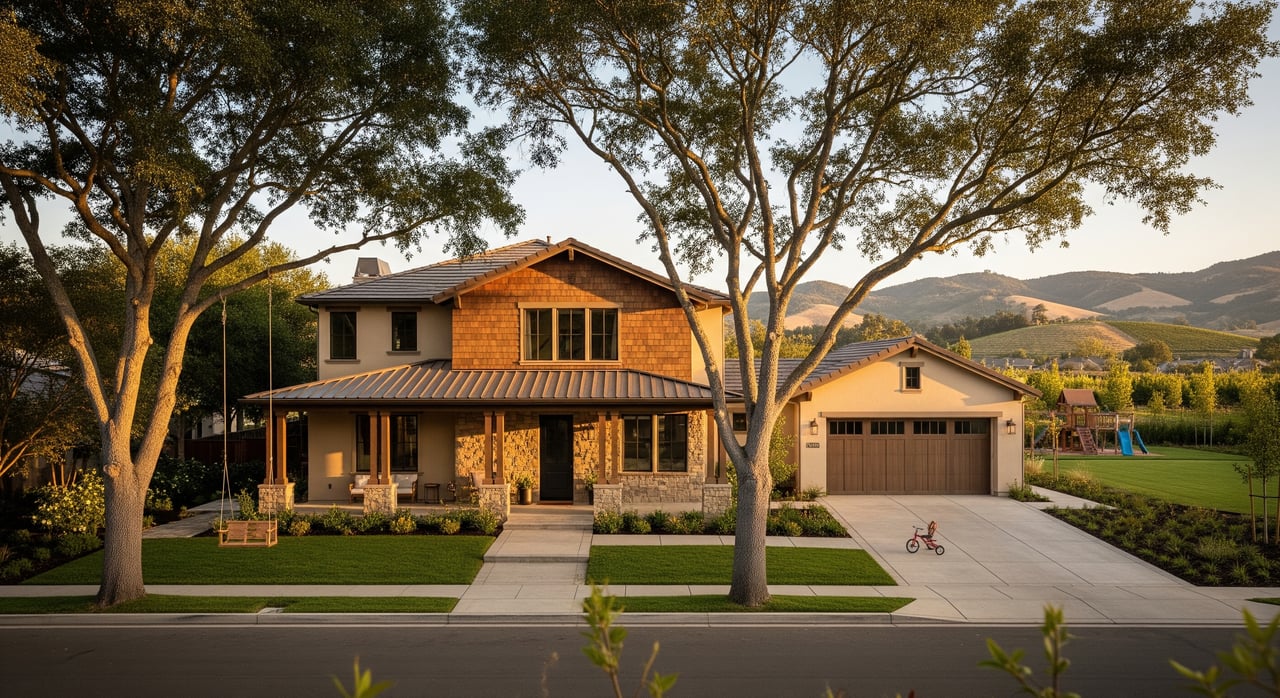
If your family is growing and you are eyeing Pleasanton, you are not alone. You want more space, access to parks, dependable schools, and a commute that will not stretch your day. The good news is Pleasanton offers a range of neighborhoods with different strengths, from historic streets by downtown to newer, master-planned areas with larger lots. This guide breaks down what to weigh, where to look, and how to narrow your shortlist with confidence. Let’s dive in.
Pleasanton at a glance
Pleasanton sits in Alameda County with a suburban feel, a charming downtown, and easy access to regional open space. The city’s public schools are part of the Pleasanton Unified School District, which many families consider when choosing a neighborhood. You will also find parks, playfields, and trails throughout the city and nearby regional preserves.
For weekend adventures, the East Bay Regional Park District offers Pleasanton Ridge and Shadow Cliffs for hiking, biking, and water play. For commuting, the BART system serves the area through the Dublin/Pleasanton station near I‑580. You can explore more city services and amenities through the City of Pleasanton and view population context via the U.S. Census QuickFacts for Pleasanton.
Key decisions to make first
Before you pick a neighborhood, get clear on your priorities. These factors drive both daily life and resale.
- Schools and boundaries: PUSD attendance zones can vary by block. Always verify a specific address with the district.
- Space and layout: Decide how many bedrooms you need, plus your must‑haves like a yard, home office, or playroom.
- Commute and transit: Balance access to I‑580 and I‑680 with proximity to the Dublin/Pleasanton BART station.
- Walkability vs. privacy: Downtown offers more walkable options. Suburban areas trade walkability for cul‑de‑sacs and larger lots.
- HOA considerations: Master‑planned or gated communities may include amenities and rules, along with monthly fees.
Neighborhood snapshots
Use these quick profiles to match your lifestyle. Names are commonly used locally, though boundaries can be informal. Verify schools, zoning, and any HOA details for each property.
Olde Town and Downtown Pleasanton
You get historic character, tree‑lined streets, and high walkability to restaurants, the library, and community events. Homes include restored cottages, historic properties, and some townhomes and condos.
- Good fit if you want: A vibrant downtown lifestyle and short drives to BART.
- Tradeoffs: Smaller lots and older systems that may need updates.
Fairlands and Vintage Hills
These established neighborhoods offer a classic suburban feel with mature landscaping and a range of mid‑century to larger single‑family homes. You are near neighborhood parks and central city amenities.
- Good fit if you want: Yards, established streets, and central access to both I‑580 and I‑680.
- Tradeoffs: Fewer newer‑construction features and styles.
Stoneridge, Harvest Park, and the Stoneridge Mall corridor
This area mixes single‑family subdivisions with townhome and condo communities. You are close to shopping and major roads, which helps with errands and transit access.
- Good fit if you want: Convenience to I‑580 and a shorter trip to the BART corridor.
- Tradeoffs: More traffic and retail activity nearby.
Ruby Hill (southeast Pleasanton)
A gated, master‑planned setting with larger homes and lots, plus community amenities. Streets feel more private, and many homes have newer finishes and floor plans.
- Good fit if you want: Space, privacy, and HOA‑maintained common areas.
- Tradeoffs: Higher purchase prices and HOA fees, plus longer drives to downtown.
West Pleasanton and Tassajara Valley edges
You will find a semi‑rural to suburban transition with some larger lots and a quieter feel. There are varied home types, from single‑family subdivisions to ranchettes.
- Good fit if you want: More space and access to open areas.
- Tradeoffs: Longer drives to BART, schools, and shopping.
Mohr Park and the Amador Valley area
Family‑oriented with nearby sports fields and community recreation. Home eras range from the 1960s to 1990s, with some newer infill.
- Good fit if you want: Central access and active recreation nearby.
- Tradeoffs: Streets can be busier during school or sports hours.
Near the Dublin/Pleasanton BART and I‑580 corridor
This northeast edge offers practical options for commuters, including condos, townhomes, and some single‑family neighborhoods.
- Good fit if you want: The shortest trip to BART and straightforward freeway access.
- Tradeoffs: Denser housing and more traffic in exchange for transit convenience.
Parks and outdoor time
Pleasanton’s park network makes it easy to get outside for a quick playground trip or a full trail day. City parks include play structures and sports fields throughout the community. For bigger adventures, the East Bay Regional Park District manages Pleasanton Ridge and Shadow Cliffs, which offer trails, picnic areas, and water activities in season. You can also find community programming and facilities via the City of Pleasanton.
Sample shortlists based on common goals
Use these starting points, then refine by school boundaries and commute tests.
- Walkability first: Olde Town and Downtown, parts of central Pleasanton near parks and schools.
- Larger yards and newer homes: Ruby Hill and select pockets on the western edges or southeast.
- Fastest transit access: Communities near the I‑580 corridor and the Dublin/Pleasanton BART station.
What to verify before you tour
Doing these checks early saves time and surprises later.
- Confirm school assignment: Use the Pleasanton Unified School District to verify the exact boundary for each home.
- Test the commute: Map your routes and ride the BART line you expect to use during peak hours.
- Review HOA rules and fees: Request CC&Rs, budgets, and any assessment history for gated or condo/townhome communities.
- Check parks and recreation access: Explore city facilities via the City of Pleasanton and nearby preserves through the East Bay Regional Park District.
- Plan for home updates: Many homes are older. Budget for items like roofing, energy upgrades, or seismic work after inspections.
How to choose with confidence
Start by ranking your top three must‑haves: school assignment, space and layout, commute, or walkability. Next, line up two or three neighborhoods that fit those priorities, and visit at different times of day. Finally, verify boundaries and HOA details, and pressure‑test your commute and park access.
If you want local insight at each step, a hands‑on partner makes a difference. As a small, family‑run team based in Pleasanton, we bring deep neighborhood knowledge, school boundary guidance, and an eye for value and resale. When you are ready to narrow your list or start touring, reach out to The Duarte Team.
FAQs
Which Pleasanton areas are most walkable for families?
- Olde Town and Downtown offer the highest walkability to shops, dining, library, and events, with smaller lots and older homes as the tradeoff.
How close can I live to BART for an easier commute?
- Neighborhoods near the I‑580 corridor and the Dublin/Pleasanton BART station provide the shortest trips, while Ruby Hill and western edges require longer drives.
How do Pleasanton school boundaries work?
- Attendance zones vary by block and can change over time, so verify any address directly with the Pleasanton Unified School District before you write an offer.
Are HOAs common in Pleasanton neighborhoods?
- HOAs are typical in gated or master‑planned communities and many condo or townhome complexes, so review CC&Rs, fees, and any assessment history early in your search.
Where can my family access trails and water activities nearby?
- Pleasanton Ridge and Shadow Cliffs are managed by the East Bay Regional Park District and offer trails, picnicking, and seasonal water recreation.
What if I want larger lots or more privacy?
- Ruby Hill and some western or edge areas offer larger lots and a quieter feel, with the tradeoff of longer drives to transit, schools, and downtown.