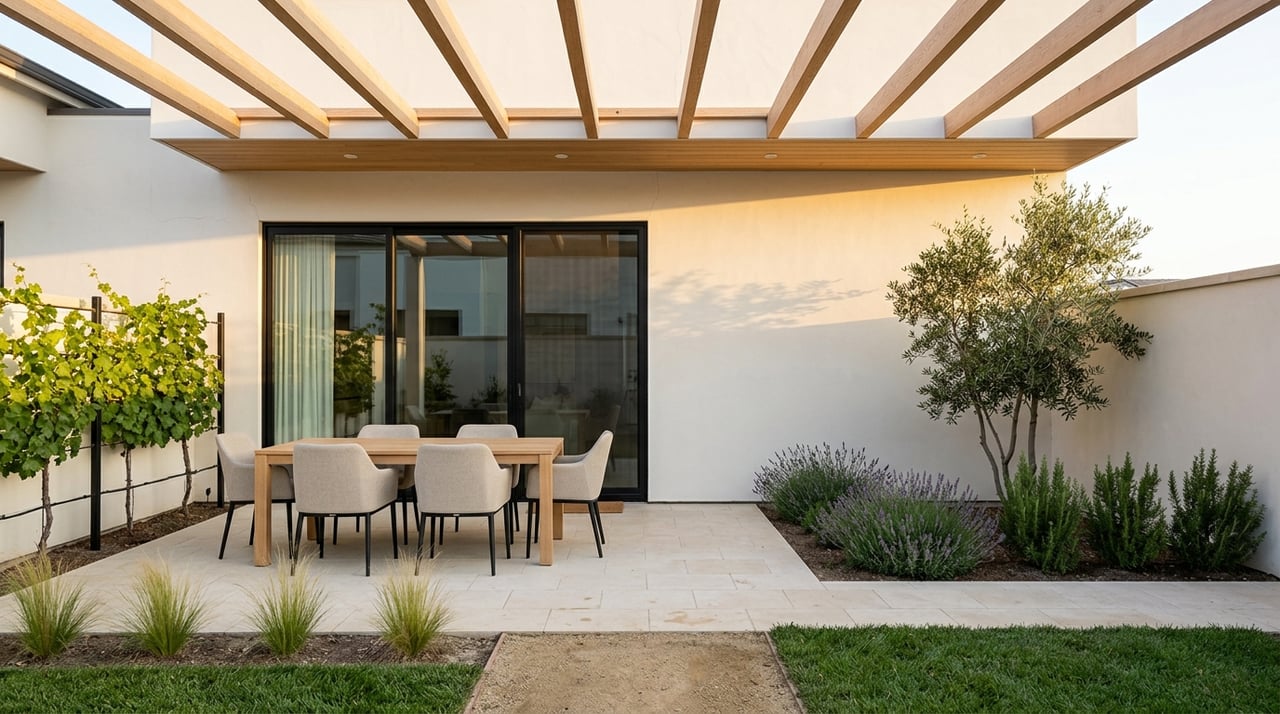
If you picture Livermore wine country as an endless vacation, the real answer is more interesting. Living in Livermore gives you vineyard views, tasting rooms, trails, and weekend events, but it also gives you the everyday rhythm of a working East Bay city. That mix is exactly why so many buyers are drawn to it. If you are wondering what day-to-day life actually feels like here, this guide will help you understand the lifestyle, the layout, and the practical trade-offs. Let’s dive in.
Livermore feels like wine country and a real city
One of the biggest surprises about Livermore is that it truly can be both at once. The city describes itself as a place shaped by arts, culture, western heritage, and a vibrant wine industry, while also centering daily life around its historic downtown district for shopping, dining, entertainment, and community activity. You are not choosing between a city and wine country here. You are living in a place where those two identities overlap.
That balance shows up in the landscape. The Livermore Valley Wine Community notes that the region has more than 40 wineries and over 3,000 acres of vineyards. Even so, Livermore is not a resort town. It is a suburban East Bay city where vineyards, tasting rooms, and open land are simply part of the normal backdrop.
Outdoor living is part of daily life
For many residents, the lifestyle goes beyond wine tasting. Livermore has a strong outdoor culture, and that matters if you want your weekends and evenings to include more than restaurants and errands. Trails, foothill views, and open space are part of what makes the area feel distinct.
According to Livermore Area Recreation and Park District trail information, the city’s trail system is anchored by the South Livermore Valley Trail and the Arroyo Mocho Trail, both open year-round from 6:00 a.m. to 10:00 p.m. Sycamore Grove Park serves as a major gateway for outdoor access, while the Patterson Ranch Trail adds scenic hiking with views of the Tri-Valley, Brushy Peak, Mount Diablo, Lake Del Valle, and Cresta Blanca.
If you like larger open-space destinations, Del Valle Regional Park is another major lifestyle draw south of town. It also serves as the eastern gateway to the 28-mile Ohlone Wilderness Trail. In practical terms, that means you can build a routine around short local walks, longer weekend hikes, and time outdoors without needing to leave the area.
Downtown Livermore stays active
A lot of buyers assume the appeal of Livermore is mostly at the vineyard edge. In reality, downtown is a major part of daily life for many residents. The city’s Downtown Specific Plan describes downtown as the center and heart of the community, with a pedestrian-friendly commercial and entertainment district supported by housing.
That matters because it gives Livermore a stronger sense of place than many suburban markets. Instead of feeling spread out and purely residential, the city has a central gathering area where people shop, dine, attend events, and connect with the community.
The local event calendar reinforces that rhythm. City and downtown resources point to recurring activities like the Sunday Farmers Market, seasonal Thursday Farmers Market, Discover Downtown Thursdays, Street Fest, Wine & Chocolate Stroll, Bites & Vines, Witches Night Out, and the Livermore Half Marathon. There is also a self-guided historic downtown tour, museums, the Ravenswood Historical Site, and community traditions like the annual rodeo.
The vibe is social, not touristy
This is an important distinction if you are thinking seriously about moving here. Livermore wine country is appealing, but daily life does not usually feel like you are living in a tourist district. It feels more like a small city with a social center and an established local identity.
That shows up in places like Stockmen’s Park, which the city highlights as a public space celebrating Livermore’s western heritage. It also shows up in the regular pattern of civic events, local festivals, and neighborhood routines. For many buyers, that is a plus because it creates a community feel without requiring a big-city pace.
Commute reality is worth understanding
Lifestyle is only part of the story. If you work outside Livermore, commute logistics can shape your experience just as much as the scenery. This is one area where it helps to be realistic from the start.
Livermore does not have its own BART station. BART’s system information shows service currently extends to Dublin/Pleasanton, and the Livermore extension was studied but not advanced after the 2018 board decision. So if you want BART access, you will typically build that into a drive-or-bus connection.
There are still transit options. ACE has a Livermore station with weekday commuter service to San Jose and Stockton, and Wheels routes connect the Livermore Transit Center with Dublin/Pleasanton BART, West Dublin/Pleasanton BART, Vasco Road ACE, LLNL, and other local destinations. The key takeaway is simple: Livermore can work well for commuters who are comfortable with a drive-plus-transit routine, but it is not as transit-dense as cities closer to the BART core.
Neighborhood feel changes by area
Another reason Livermore feels layered is that the residential experience changes a lot depending on where you live. Two homes with the same city name can offer very different day-to-day routines.
Downtown offers walkability
If you live closer to downtown, your lifestyle may center more on walkability, local restaurants, events, and civic activity. The city’s planning documents support housing in this pedestrian-oriented core, which makes it one of the more convenient options if you want to be near the action.
For some buyers, this part of Livermore feels the most connected and flexible. You are closer to markets, festivals, dining, and a central community hub. The trade-off is that this setting is more urban in feel than the vineyard image many people first associate with Livermore.
East side feels newer and more connected
On the east side, including the Isabel and Brisa areas, the experience shifts toward newer suburban infill. The Isabel Neighborhood Specific Plan allows for thousands of new multi-family units along with office, business park, and commercial space. Projects in this area include townhomes, duplexes, apartments, neighborhood park space, and public plaza features.
Brisa, east of Vasco Road and adjacent to the ACE platform, is designed around pedestrian streets, green spaces, neighborhood parks, trail connections, and direct access to ACE and regional trail routes. If you are looking for a newer-home feel with stronger transit links and planned community features, this area may align more closely with your goals.
South Livermore feels closest to wine country
If your mental image of Livermore includes vineyard edges, foothill views, open space, and a lower-density setting, South Livermore is the pocket that most closely fits that picture. The South Livermore Valley Specific Plan emphasizes conservation of agricultural and natural resources, scenic residential patterns, vineyard and foothill views, and landscape buffers.
This is the area that most strongly delivers the classic wine-country atmosphere. For buyers who want a quieter edge-of-city feel, this part of Livermore often stands out. It offers a different experience from downtown and the newer east-side growth areas, even though all are part of the same city.
What daily life really feels like
So what is it really like living in Livermore wine country? In most cases, it feels balanced. You may spend a Saturday morning at the farmers market, fit in a trail walk or hike, enjoy lunch or wine tasting, and still handle all the practical parts of life in a city with established neighborhoods, transit links, and a functioning downtown.
That balance is what makes Livermore stand out. You are not just buying access to wineries. You are choosing a place that combines a genuine wine region, an active downtown, outdoor recreation, and multiple residential lifestyles in one market.
For some buyers, that means living close to downtown events and restaurants. For others, it means prioritizing newer housing near transit connections. And for others, it means searching for the quieter vineyard-adjacent feel that defines South Livermore. The right fit depends on how you want your everyday life to work, not just how you want it to look in photos.
Is Livermore wine country right for you?
If you want a community that feels scenic but still practical, Livermore may deserve a close look. It offers a lifestyle that is more grounded and more flexible than the phrase “wine country” sometimes suggests. You get character, open space, and community activity, but you also need to think through location, commute patterns, and which pocket of the city matches your routine.
That is where local guidance can make a real difference. If you are considering a move to Livermore and want help comparing neighborhoods, home styles, and lifestyle fit, connect with The Duarte Team. We would be glad to help you find the part of Livermore that feels right for your next chapter.
FAQs
What is daily life like in Livermore wine country?
- Daily life in Livermore wine country usually blends suburban routines with vineyard scenery, outdoor recreation, an active downtown, and regular community events.
Does Livermore have a true wine-country feel?
- Yes. Livermore Valley includes more than 40 wineries and over 3,000 acres of vineyards, especially noticeable in South Livermore and along the city’s scenic edges.
Is downtown Livermore walkable for residents?
- Yes. The city’s Downtown Specific Plan describes downtown as a pedestrian-friendly district with housing, shopping, dining, entertainment, and community activity.
How do Livermore residents commute without a BART station?
- Many residents use a drive-plus-transit routine that may include Dublin/Pleasanton BART, the Livermore ACE station, and Wheels bus connections.
Which part of Livermore feels most like wine country?
- South Livermore most closely matches the classic wine-country image because it is shaped by open space, vineyard views, foothill scenery, and lower-density development.
Are there outdoor activities near Livermore wine country homes?
- Yes. Residents have access to trails such as the South Livermore Valley Trail, Arroyo Mocho Trail, Patterson Ranch Trail, Sycamore Grove Park, and Del Valle Regional Park.