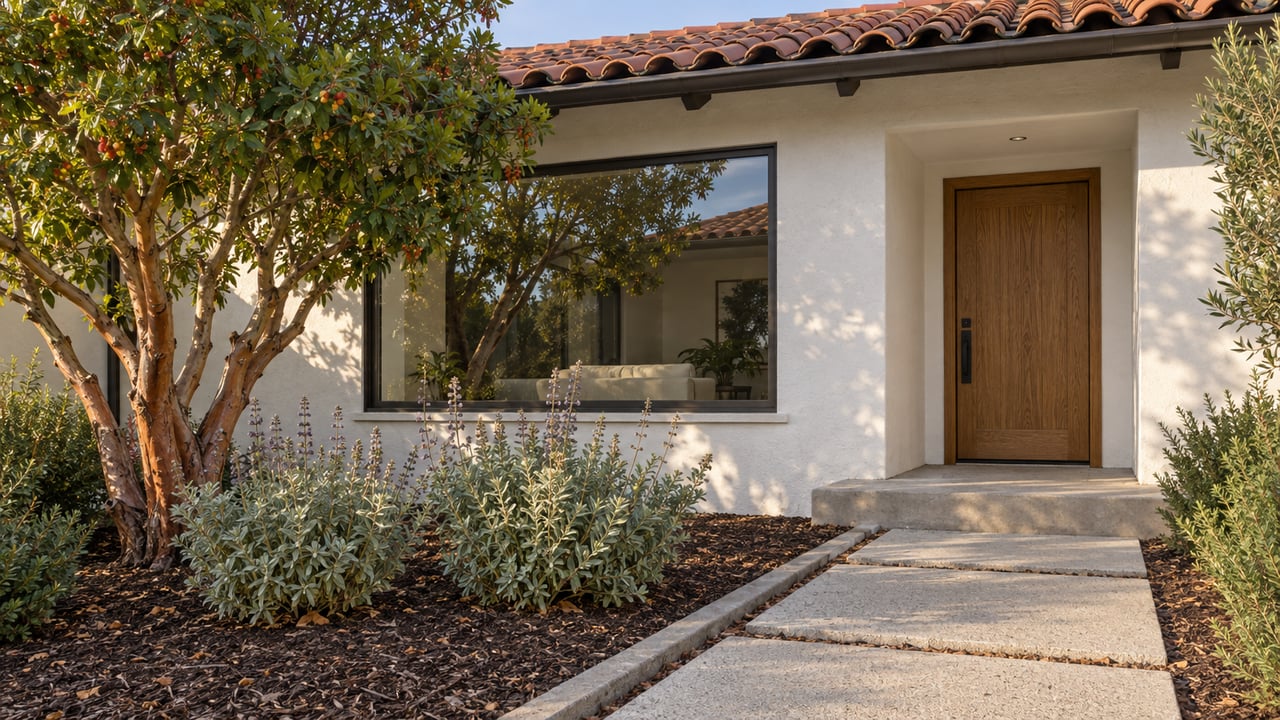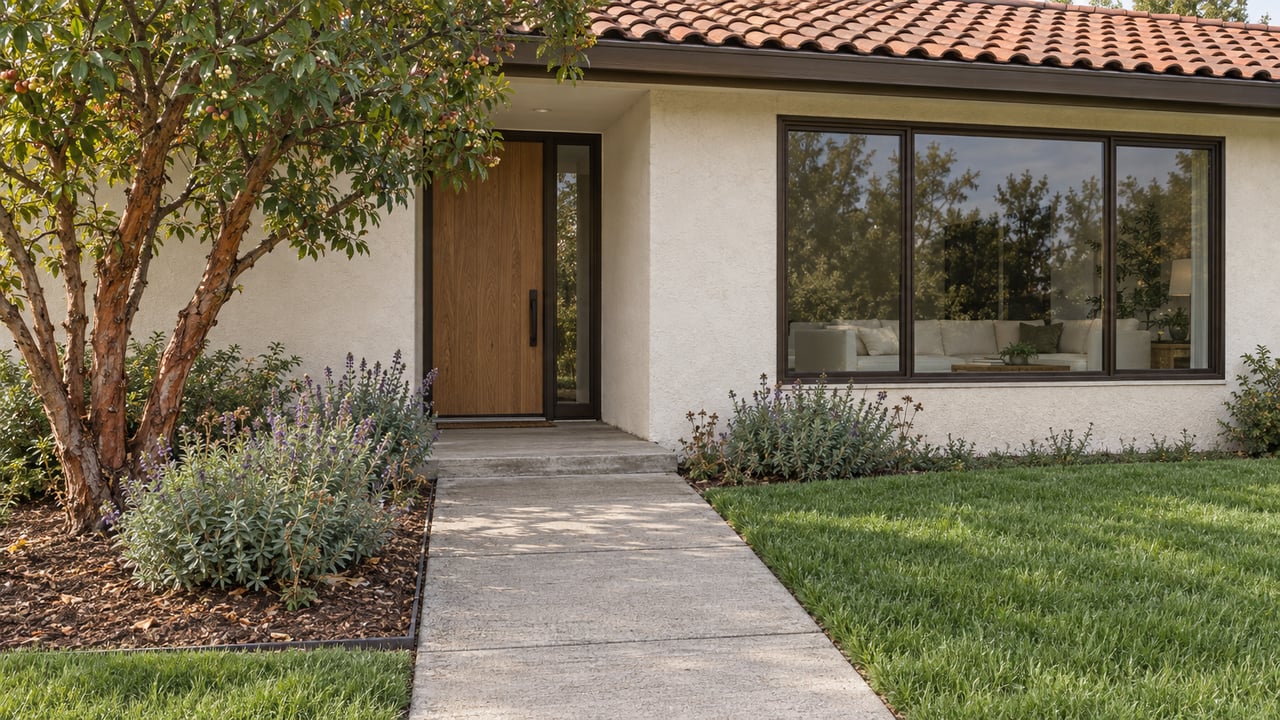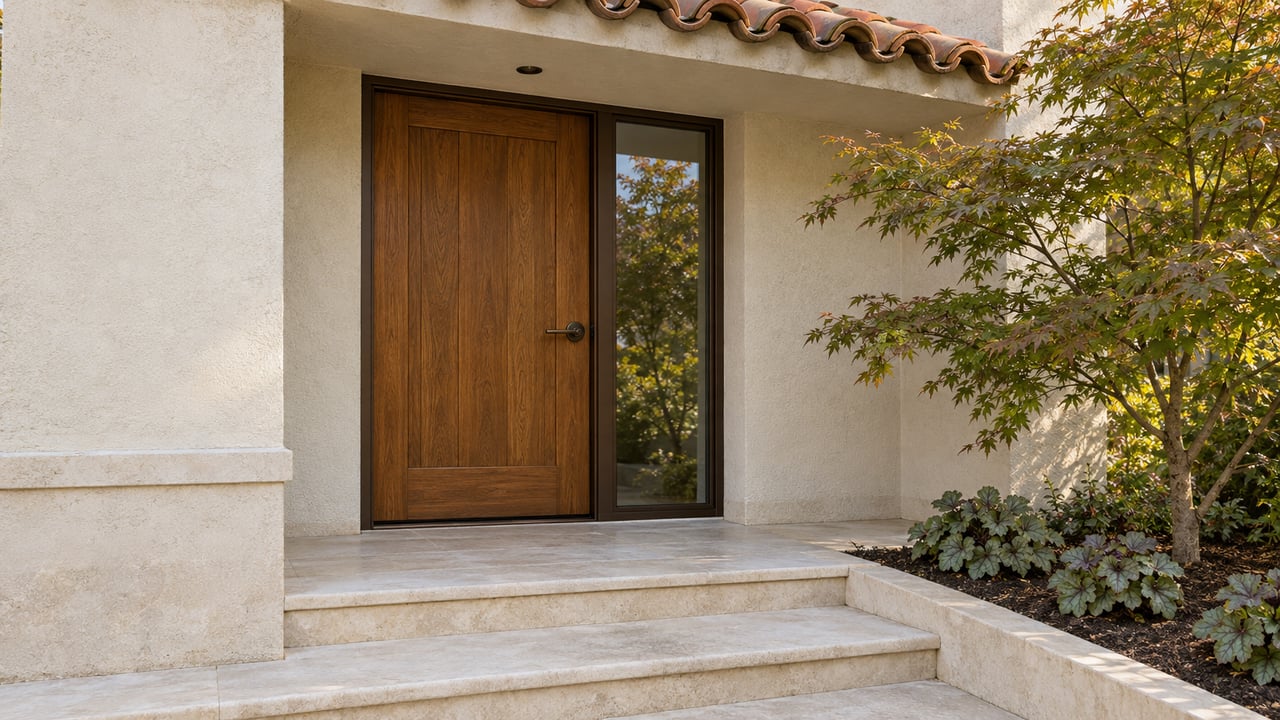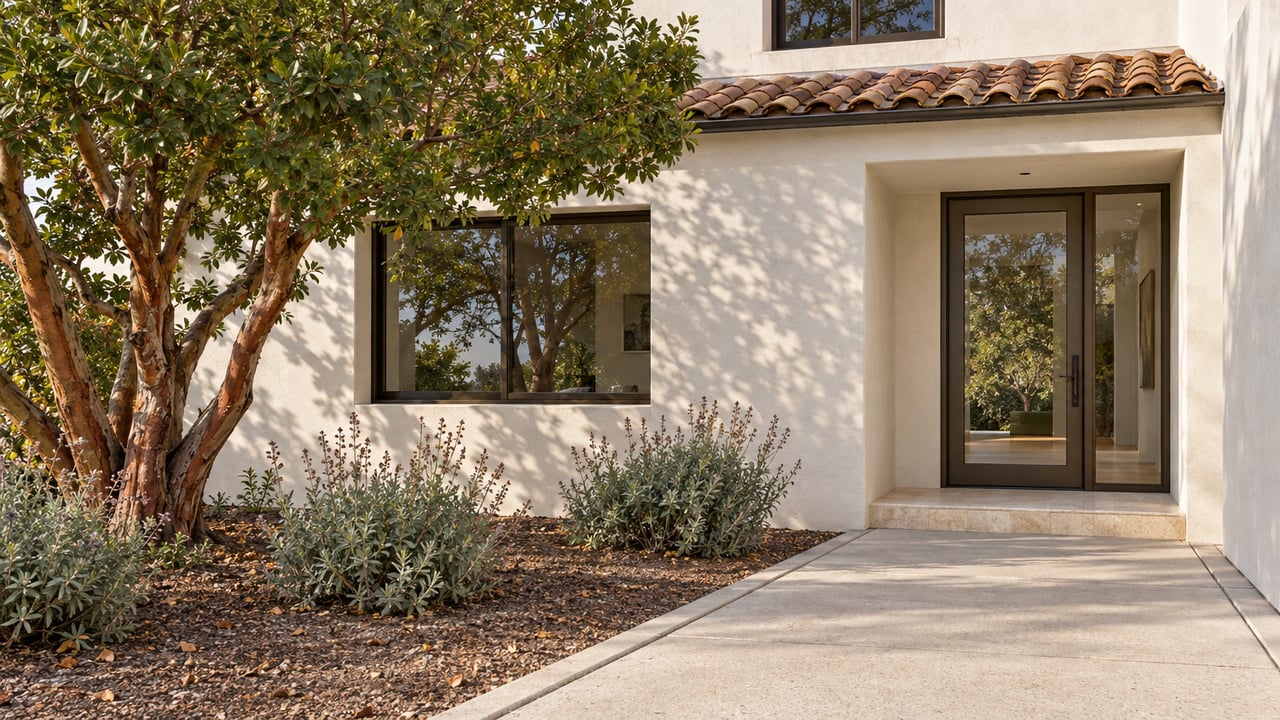
A buyer touring Pleasanton this July walks into two houses in the same city, priced within $400,000 of each other, and finds two different markets. One has three offers by Sunday night. The other has been sitting for six weeks with a price cut already stapled to the listing sheet.
Both are true. Both are Pleasanton. The citywide median that put them on the same shortlist is doing more to hide the market than describe it.
The number that gives the wrong answer
Redfin put the three-month median in Pleasanton at roughly $1.5M through May 2026, with homes selling in about 21 days at $784 per square foot. That is a real number. It is also close to useless if you are actually shopping, because Pleasanton is running as two disconnected markets stacked on top of each other, and the median averages them into a single line that describes almost nothing you will tour.
The mid-July snapshot from local brokerage reporting makes the split legible. As of July 20, the city had 73 active single-family homes and 17 pending sales, a 23% pending-to-active ratio. Thirty-seven percent of active listings had already taken at least one price reduction, and actives had been sitting an average of 46 days. In the same window, one-third of the 36 closed sales still went above their final list price, and the homes that sold in fewer than 15 days averaged 102.4% of list. That is not one market slowing down. That is two markets, and the tier you land in decides which one you are in.
Here is how the tiers actually sort:
| Price tier | Representative pockets | Recent read | How it behaves |
|---|---|---|---|
| $1.2M – $1.5M | Val Vista, Pleasanton Meadows, parts of Birdland | Val Vista median about $1.39M in Feb 2026, down 6.1% YoY, 18 days on market | Fast. Hot homes sell around 7% over list in about a week. |
| $1.6M – $2.2M | Birdland core, Mohr Park, Mission Park | Birdland three-month median $2.07M through May 2026, down 1.9% YoY, 8 days on market | Fastest tier in the city. Multiple offers common. |
| $2.5M – $3.5M | Vintage Hills, Kottinger Ranch, Castlewood | Citywide averages of 46 days for actives, 37% with reductions | Where negotiation actually happens. |
| $3.5M+ | Ruby Hill | Average price about $4.02M last month, up 27% YoY, 14 days on typical trades | Its own market. Thin buyer pool, longer decision cycles, occasional 2% under list. |
Read the table twice. The city with a "cooling" 21-day median contains a neighborhood with an 8-day median and another that averages 46. That is the story.
Why the $1.2M–$1.5M tier still moves in a week
Val Vista and Pleasanton Meadows are the entry point most buyers do not expect to find in a city where the median has a "1" and a comma in front of six digits. Entry-level single-family homes still start around $1.2M in these pockets, and the Val Vista three-month picture through Feb 2026 sat at $1.39M with 18 days on market and hot homes clearing 7% over list.
The mechanism is straightforward. Pleasanton Unified assigns these tracts to the same district as the luxury neighborhoods, so a family that cannot spend $2M is competing for the school pathway at the cheapest door into it. Supply at this price is thin because sellers who bought at 3% rates are not moving. Freddie Mac had the 30-year fixed at 6.55% the week of July 16, and legacy-rate owners have no incentive to trade a locked-in payment for today's cost of capital. Fewer listings, same school demand, faster clearing.
The Birdland premium and where it comes from
Birdland is the pocket that confuses most out-of-town buyers. Also known as Pleasanton Valley, the neighborhood was built by Morrison Homes in phases between 1964 and 1977, with one and two story homes running roughly 1,500 to 2,600 square feet on 6,500 to 8,000 square foot lots. No HOA. Streets named after birds. Homes that would list for under a million dollars almost anywhere else in California.
The three-month median through May 2026 in Birdland was about $2.07M. Median days on market: eight.
That premium is not paying for the drywall. It is paying for the walk to Walnut Grove Elementary and the feeder path into Harvest Park Middle and Amador Valley High, plus proximity to Walnut Grove Park, Woodthrush Park, and the Pleasanton Sports Park complex. A remodel budget of $150,000 to $300,000 is common because the bones are 50-plus years old. Buyers here are paying $1M+ over the raw structure value for the school-pathway address, and the eight-day clearing time is the market pricing exactly that willingness.
The $2M–$3M middle is where you actually get to negotiate
This is the tier that gets misread most often, because sellers here priced their homes off spring 2024 comparables and buyers are shopping off July 2026 rate math. Vintage Hills, Kottinger Ranch, and parts of Castlewood are where the citywide 46-day average lives, and where the 37% reduction rate is concentrated.
The July snapshot showed that even in a market with tightening inventory, one-third of closed sales still went above final list. Those were almost all the sub-15-day sales that cleared at 102.4% of list. The other two-thirds sat, took a cut, and closed under. A buyer in this tier who confuses the two behaviors, and offers over list on a home that has been sitting for a month, is paying a premium the seller stopped expecting three weeks ago.
Ruby Hill runs on its own clock
Ruby Hill is not a tier of the Pleasanton market. It is a separate market that happens to share a ZIP code. The average sale price last month was $4.02M, up 27% year over year, in a gated golf community built in the 1990s around a Jack Nicklaus-designed course inside the Livermore Valley wine region. Homes range from about 2,300 to more than 10,000 square feet. Ruby Hill Winery sits less than a mile beyond the gates; Fenestra Winery and Casa Real anchor the surrounding property. Shadow Cliffs Regional Park is a short drive.
The market mechanics are different too. Typical Ruby Hill homes are pending in about 14 days, but homes tend to sell around 2% below list, not above it. The buyer pool at $3M+ is thinner, decision cycles are longer, and the "hot home" playbook that works in Birdland does not apply. If you are cross-shopping Ruby Hill against a $3M home in Danville or a comparable estate in South Livermore, the negotiation posture is closer to the luxury segments in those markets than to anything happening in Val Vista.
The math behind the tiers, and where it moves value
The reason tier behavior diverges this sharply comes down to four inputs the median does not show:
- Rate lock-in. Owners holding 3% mortgages are not selling into a 6.55% market unless a life event forces it. That keeps resale supply constrained in the tiers where those owners cluster, which is most of the city between $1.2M and $2.5M.
- Mello-Roos. Newer developments in San Ramon and Dublin can carry supplemental assessments adding 0.2% to 1.0% to the effective tax rate. Pleasanton's older Morrison-era tracts in Birdland and Val Vista carry no HOA and no Mello-Roos, which changes the true monthly cost of a $1.6M Birdland home versus a comparable new-build across the freeway.
- Insurance pressure. California's tightening private insurance market has pushed some hillside East Bay properties onto the FAIR Plan, with premiums running several thousand dollars higher per year than valley-floor homes. Pleasanton's valley-floor tracts benefit from that repricing.
- School capitalization. Pleasanton Unified's ratings function as a monthly subsidy for families who would otherwise write private-school tuition checks. That subsidy is priced into every listing inside the district and is the single largest reason a 1,700-square-foot Birdland ranch clears at $2M.
What the July snapshot is actually telling buyers
Three things, in order.
First, do not offer off the citywide average. A home priced at $1.65M in Birdland and a home priced at $1.65M in a slower tract in south Pleasanton are not the same asset, and the days-on-market count in the listing history tells you which market rules apply. Under 15 days on market means you are competing. Past 30 days with a reduction means the seller is.
Second, ask what the home closed at last time, not what it is listed at now. Sale-to-list ratios are compressed against final list price, not original list. A home that reduced from $2.1M to $1.9M and closed at $1.88M reads as 98.9% of final list. It also reads as 89.5% of original list, and that gap is where your negotiation actually lives.
Third, the employment floor under Pleasanton is real. Hacienda Business Park anchors a cluster that includes Workday, Kaiser Permanente, Safeway, and Veeva Systems, and Dublin/Pleasanton BART supports reverse-commute households. Demand is not going away in the tiers tied to that base. If you are waiting for a citywide correction because the median ticked down, you are waiting for something the neighborhood-level data says is not coming.
FAQ
If the citywide median dropped year over year, why did Ruby Hill go up 27%? Different buyer pools. The citywide median blends move-up families sensitive to rates with luxury buyers who are usually paying cash or with jumbo loans that behave differently. When rates hold in the mid-6s, the middle tier softens and the top tier keeps moving. The average of the two looks like a modest decline.
Is a home priced at $1.5M in Pleasanton always a better deal than a home at $1.7M? No, and this is the mistake the median encourages. A $1.5M home in a slower tract with 60 days on market and a reduction already taken is usually a worse deal than a $1.7M Birdland home that will clear in a week, because you can negotiate the first and cannot negotiate the second. The list price is the starting bid, not the answer.
Does the 37% reduction rate mean Pleasanton is a buyer's market? Only in the tiers where the reductions are happening. The reductions concentrate in the $2M–$3.5M band and in ultra-luxury. The entry and mid tiers still cleared above list often enough in July that calling the whole city a buyer's market would cost a buyer money.
If you are trying to figure out which tier your budget actually lands in, or whether the listing you are watching is a Birdland-clock home or a Vintage-Hills-clock home, The Duarte Team can pull the sale-to-original-list math on any specific street and tell you where the negotiation room is before you write an offer. Request a Free Home Valuation to start the conversation.